


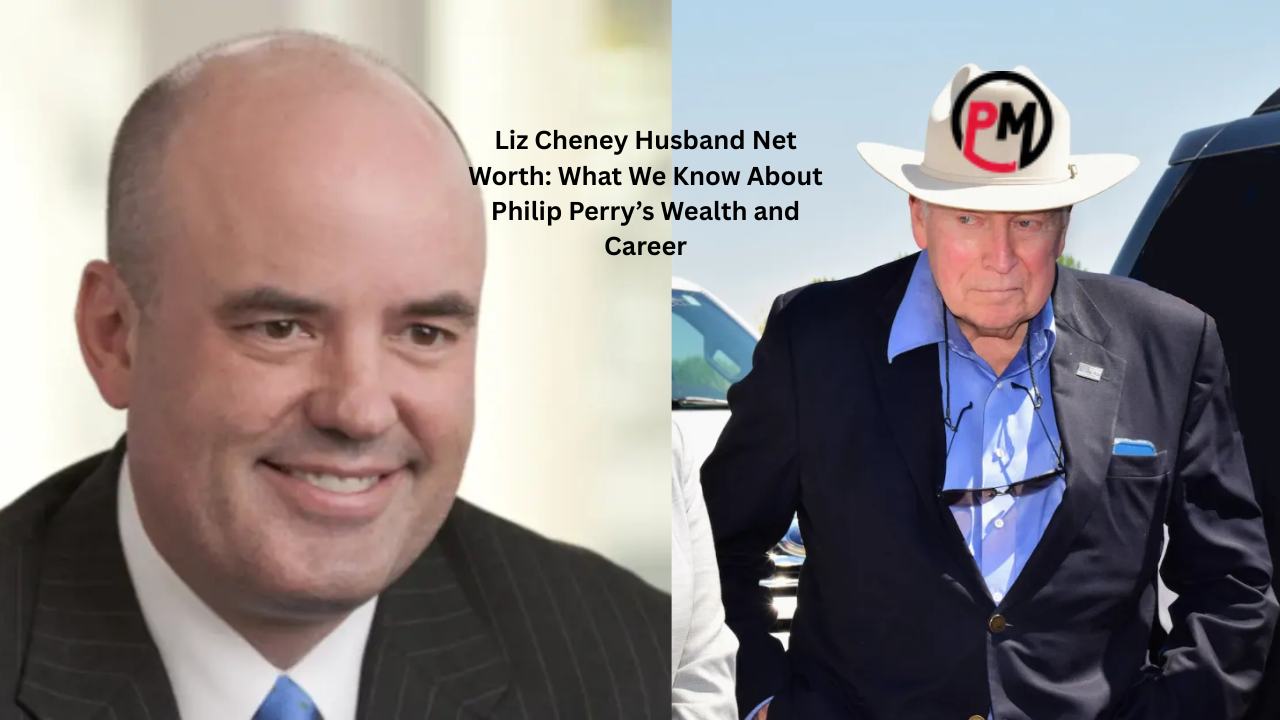
Political families often attract attention, but not always for the reasons people expect. While Liz Cheney has spent years in the public spotlight through her political career, many people have become curious about her husband, Philip Perry, and his financial success.
It’s an understandable question. When someone is connected to high-profile politics, people naturally wonder about their background, career achievements, and overall wealth. Philip Perry isn’t a celebrity in the traditional sense, yet he’s built a respected career that spans law, government service, and corporate leadership.
His story is less about headlines and more about professional influence. And when you look closely, it becomes clear why questions about Liz Cheney husband net worth continue to generate interest.
Table of Contents
- Who Is Philip Perry?
- Estimating Philip Perry’s Net Worth
- How Philip Perry Built His Wealth
- His Career in Law and Government
- Corporate Positions and Private Sector Earnings
- The Financial Picture of the Cheney-Perry Family
- Why People Are Interested in Philip Perry’s Wealth
- Public Service Versus Private Earnings
- What Sets Philip Perry Apart
- Final Thoughts
Who Is Philip Perry?
Philip Perry is best known as the husband of former U.S. Representative Liz Cheney, but his professional identity stands firmly on its own.
Born into a politically connected environment, Perry developed a successful legal career that eventually placed him in influential positions within both government and private industry. He married Liz Cheney in 1993, and together they have built a family while navigating careers tied closely to public affairs.
Unlike many spouses of prominent politicians, Perry has maintained a relatively low public profile. You won’t often see him seeking media attention or making headlines. Instead, most of his recognition comes from the legal and policy worlds.
That quieter approach may actually contribute to the public curiosity surrounding his finances. People tend to ask more questions when someone has substantial influence but limited public exposure.
Estimating Philip Perry’s Net Worth
Pinpointing an exact figure for Philip Perry’s net worth isn’t easy because private financial records aren’t publicly available.
Most estimates place his net worth somewhere between $5 million and $10 million. Some sources suggest it could be higher depending on investment holdings, real estate assets, and compensation earned through executive and legal positions over the years.
It’s important to remember that these figures remain estimates rather than confirmed totals.
Think about it this way. When an attorney builds a long career at top-tier law firms, takes on high-ranking government positions, and later works with major corporations, accumulating substantial wealth becomes quite achievable without earning celebrity-sized paychecks.
Philip Perry’s career path fits that description quite well.
How Philip Perry Built His Wealth
The foundation of Perry’s financial success comes from a combination of law, government experience, and corporate leadership.
Many people assume politicians and their families become wealthy solely through politics. Reality is usually more complicated.
Government salaries alone rarely create multi-million-dollar fortunes. Instead, professionals often build wealth through years of specialized expertise that later becomes valuable in the private sector.
Perry followed a route common among high-level attorneys:
- Legal practice at respected firms
- Senior government appointments
- Corporate legal leadership
- Consulting and advisory work
Each stage tends to increase earning potential.
Imagine someone spending decades developing expertise in regulatory law, government policy, and corporate governance. Companies are willing to pay significant compensation for that knowledge because it helps them navigate complex legal environments.
That’s where much of Perry’s wealth likely originates.
His Career in Law and Government
One of the biggest contributors to Philip Perry’s financial standing is his extensive legal background.
After earning his education and legal credentials, Perry entered the legal profession and steadily built a reputation for handling complex matters involving government and regulatory issues.
His public service includes senior positions within the U.S. government. He served in the Department of Homeland Security and held other high-ranking legal roles during the administration of President George W. Bush.
These positions provided valuable experience and expanded his professional network.
Now, government jobs themselves don’t typically produce massive wealth. However, they often create opportunities later in life.
A lawyer who has worked at the highest levels of government gains insights that become extremely valuable to corporations, law firms, and institutions seeking expert guidance.
That’s where the financial picture often changes dramatically.
Corporate Positions and Private Sector Earnings
Here’s where Philip Perry’s career becomes particularly relevant to discussions about net worth.
Following government service, Perry worked in senior legal and executive roles within the private sector. He has been associated with major corporations where experienced legal executives can earn substantial compensation packages.
These packages often include:
- Base salary
- Performance bonuses
- Stock awards
- Retirement benefits
- Long-term incentive plans
A senior corporate legal executive can easily earn hundreds of thousands of dollars annually, and in some cases several million dollars per year when stock incentives are included.
Let’s be honest. Those numbers add up quickly.
Even a decade of high-level executive compensation can significantly increase personal wealth, especially when combined with investments and real estate appreciation.
This helps explain why many observers believe Perry’s net worth comfortably falls within the multi-million-dollar range.
The Financial Picture of the Cheney-Perry Family
When discussing Liz Cheney husband net worth, it’s difficult to separate Philip Perry’s finances entirely from the broader family picture.
Liz Cheney herself has enjoyed a successful career spanning law, government service, public policy, and elected office. She has earned income through various professional roles before and after serving in Congress.
Additionally, the Cheney family has longstanding political and professional connections dating back decades.
Former Vice President Dick Cheney, Liz’s father, built a successful career in both government and the private sector. While individual family members maintain separate finances, the family’s overall financial profile often attracts public interest.
That doesn’t necessarily mean wealth is inherited or shared directly. Rather, it highlights how professional networks, education, and career opportunities can influence financial outcomes across generations.
Why People Are Interested in Philip Perry’s Wealth
There’s something fascinating about people who operate behind the scenes.
Most Americans recognize Liz Cheney immediately. Far fewer could identify Philip Perry despite his impressive professional resume.
That creates curiosity.
People want to know how influential figures build careers, what they earn, and how they compare to other public personalities.
Part of the interest also comes from transparency expectations surrounding political families. Voters often want a better understanding of the financial backgrounds of elected officials and those closest to them.
It’s not always about criticism. Sometimes it’s simply curiosity.
If someone spends years shaping legal policy, advising major institutions, and participating in government leadership, it’s natural to wonder how those experiences translate into financial success.
Public Service Versus Private Earnings
One interesting aspect of Perry’s career is how it highlights the difference between public-sector and private-sector compensation.
Government service often provides prestige, influence, and valuable experience. Yet salaries typically remain modest compared to executive positions in large corporations.
Consider a simple comparison.
A senior government attorney may earn a respectable six-figure salary. A corporate executive with similar expertise could potentially earn several times that amount through salary, bonuses, and equity compensation.
That’s why many accomplished professionals move between government and private practice throughout their careers.
Philip Perry’s path reflects this pattern.
His government service enhanced his credentials, while private-sector opportunities likely contributed more significantly to his overall net worth.
What Sets Philip Perry Apart
Many lawyers achieve financial success. Not all of them become subjects of public interest.
What makes Philip Perry different is the combination of legal expertise, government experience, and connection to one of America’s most recognizable political families.
At the same time, he has largely avoided becoming a public personality himself.
That’s relatively uncommon today.
In an era where many public figures maintain constant visibility through interviews, social media, and television appearances, Perry has generally remained focused on professional work rather than public attention.
That low-profile approach creates a certain mystery.
People hear his name, recognize the connection to Liz Cheney, and naturally want to know more about the man behind the headlines.
Final Thoughts
The exact figure behind Liz Cheney husband net worth remains private, but available information points toward substantial wealth built through decades of professional achievement.
Philip Perry’s estimated net worth is commonly believed to fall between $5 million and $10 million, though the true number could differ depending on investments, assets, and private financial holdings.
More important than the estimate itself is how that wealth was likely created. His career reflects a blend of legal expertise, government service, and corporate leadership rather than celebrity fame or public attention.
In many ways, Perry represents a type of success that’s often overlooked. He didn’t build a fortune through entertainment, sports, or social media influence. Instead, he followed a traditional professional path, steadily accumulating experience, responsibility, and financial rewards over time.
For anyone curious about the financial side of prominent political families, his career offers an interesting reminder that some of the most successful people aren’t always the ones making the most noise.
